-
·
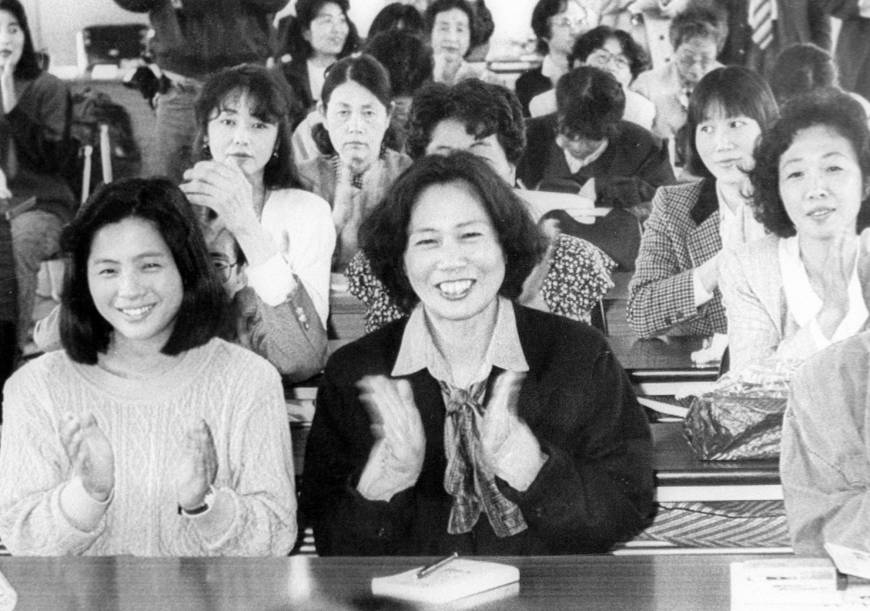
NS Solutions case is latest battle in long war against sexual harassment
The first time a court in Japan ruled on the issue of sexual harassment was on Aug. 5, 1989. On that day, in what has become known as the Fukuoka Sexual Harassment Case, the Fukuoka District Court found the individual harasser and the employer responsible for damages. The Equal Employment Opportunity Act (EEOA) had…
-
·
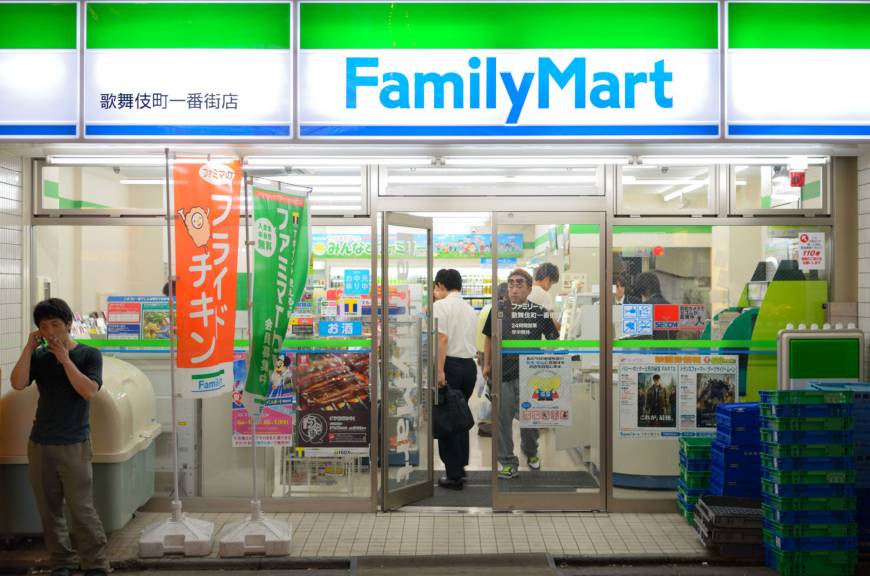
The cost of convenience in Japan: when foreign students work instead of study
It’s midnight at the convenience store I often patronize near my home in Tokyo’s central Shinjuku district. The store’s open all day and night, 365 days a year. There is one man I’ve seen quite a bit of lately — behind the counter, stocking shelves, carrying heavy boxes, cleaning, cooking food, ringing up purchases, barristering,…
-
·
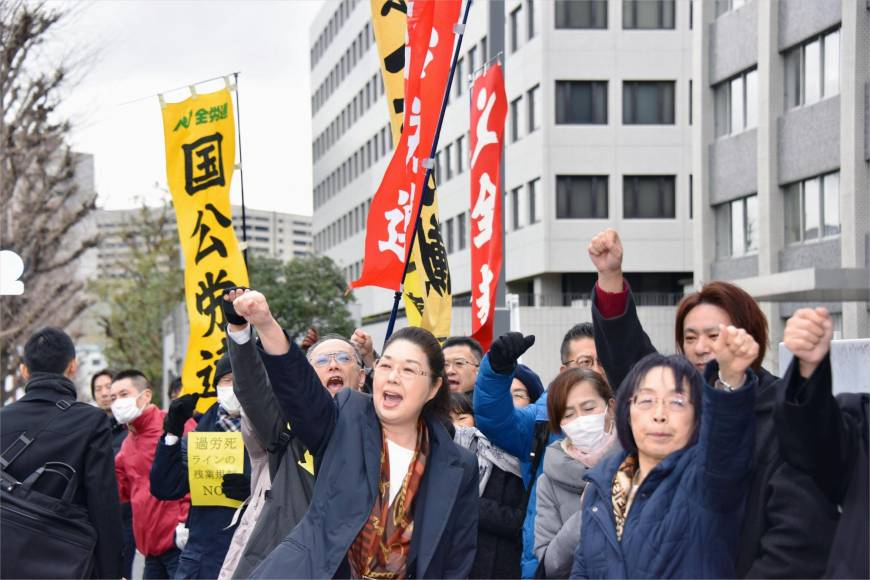
Overtime deal marks total capitulation by labor
Full disclosure: I am the president of Tozen Union. Last October we joined the Japanese Trade Union Federation, known as Rengo. It is therefore with a heavy heart that this month I lambaste Rengo’s recent decision to agree to a policy I believe will endanger the health and lives of workers in Japan. Criticizing our…
-
·
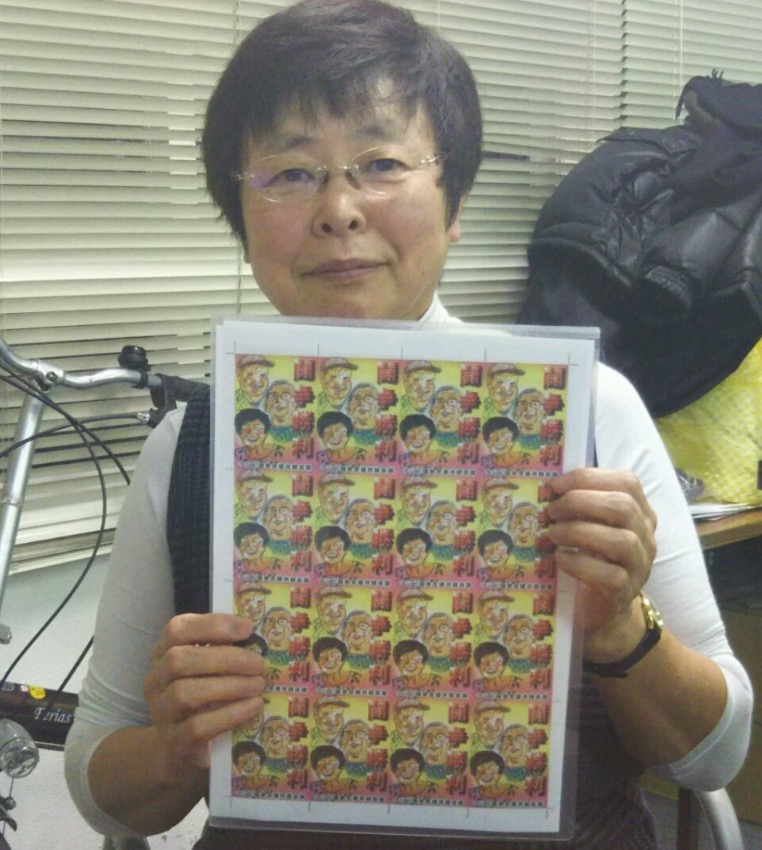
Tokyo court rulings chip away at labor unions’ right to free speech
The Tokyo District Court handed down its verdict in the Fujibi case last February, with the Tokyo High Court upholding it in July. On both occasions, I couldn’t believe my ears. The courts ruled that labor union Zenrokyo Zenkoku Ippan Tokyo Rodo Kumiai (Tokyo Roso) had committed defamation and damaged the creditworthiness of Fujibi, a…
-
·
Worrying times for job security in Japan
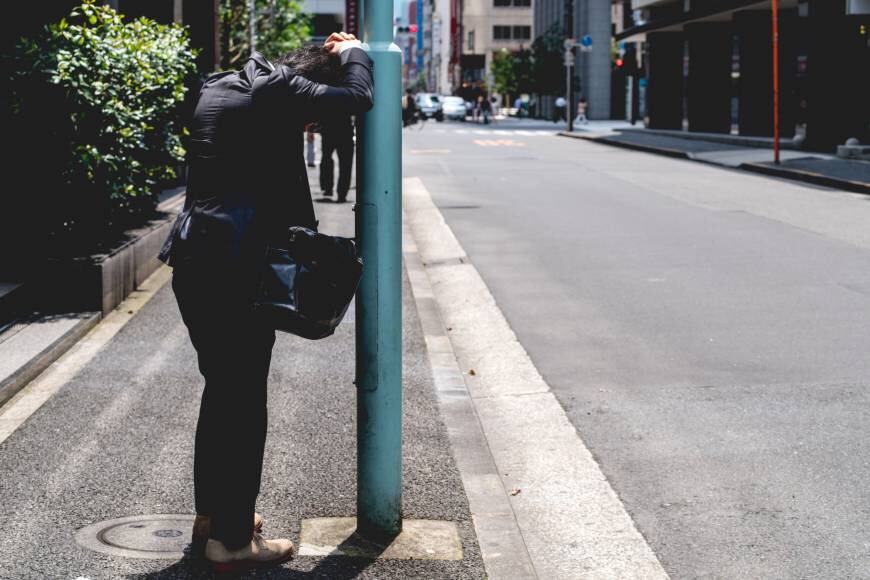
The year 2016 was no walk in the park for workers nationwide. At one extreme, we have Matsuri Takahashi, a 24-year-old worker who felt she had no other choice but to take her life as a result of overwork. In October, the Ministry of Health, Labor and Welfare released its first ever white paper on…
-
·
‘Five-year rule’ triggers ‘Tohoku college massacre’ of jobs
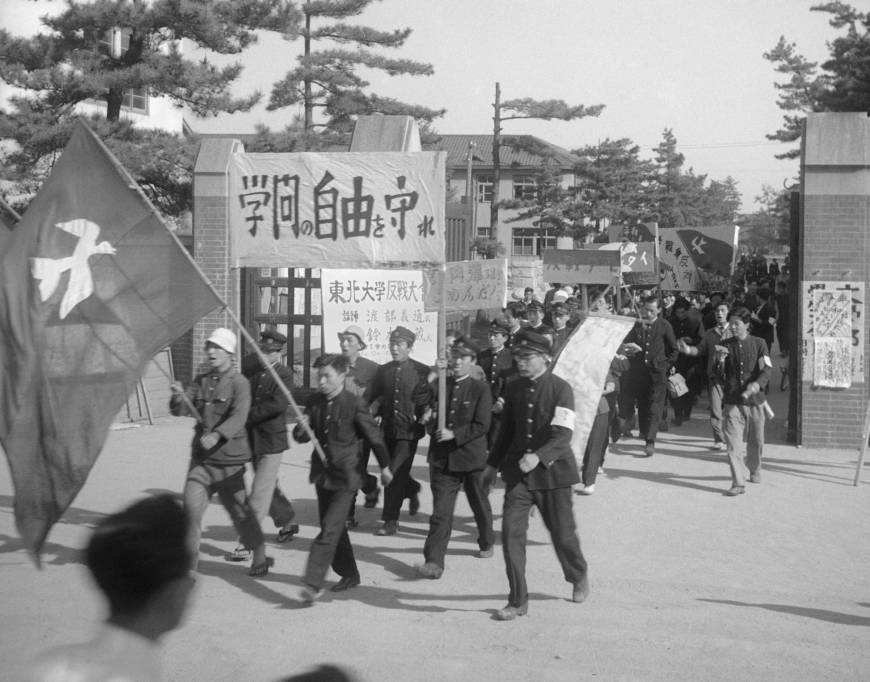
I have discussed the “five-year rule” several times before in this column — the revision of the Labor Contract Law (Rodo Keiyaku Ho) enacted in 2013. Under the amendment, any worker employed on serial fixed-term contracts (yūki koyō) for more than five years can give themselves permanent status. See my earlier stories for more details,…
-
·
Time to consign ‘death by overwork’ to Japan’s history
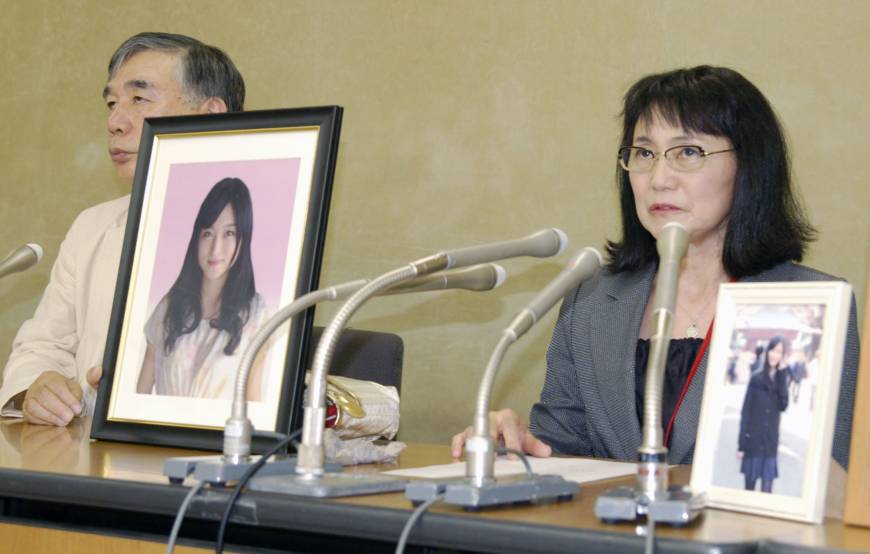
A 24-year-old pressured to work long, hard hours beyond what she could tolerate at the largest advertising agency in Japan jumped from her third-floor dorm room on Christmas Day of last year. This story went viral, and labor researchers around the country mumbled to themselves, “Dentsu again?” Dentsu is an ad giant notorious for brutal…
-
·
Sagamihara massacre begs question: Do we want a society that only values usefulness?
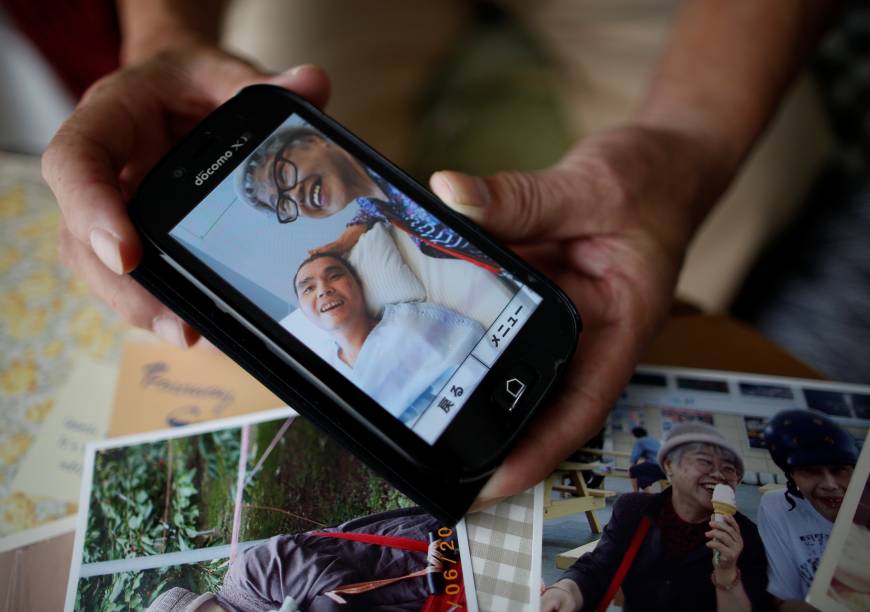
Let me apologize up front for tackling an issue that is not purely about labor per se. The brutal mass murder in July in Sagamihara, Kanagawa Prefecture, made me feel that our society must address a simple yet difficult question: What does work mean to human beings? I feel that I must candidly convey to you,…
-
·
The flip side of coveted public-sector jobs in Japan: fewer rights
I research labor law and teach it to university students. In the first class, I break up the two groups of labor laws — those related to individual and collective labor relations — for my students. Individual labor relations law begins and ends with the 1947 Labor Standards Act (rōdō kijun hō); its collective counterpart…
-

·
ちゃんととろう、有給休暇
年次有給休暇(以下、有休)。それは労働者にとって、「完全なる労働からの解放日」である。心身共に健康に、長く安定して働くためにも、きちんと休暇をとる権利を休むことはとても大切なことだ。しかしながら、有給休暇をとるために不必要に高いハードルを設定したり、チクチクと嫌みをいって、休暇をとることをためらわせたりする職場も、残念ながら存在する。 とくに、学校の先生やスクールの講師など、「お客様=生徒」である場合にそうした傾向が多いようだ。つまり、「お前は生徒のことよりも、自分の休みを優先させるのか?!」といった、自己犠牲を強いるような空気である。先生が充分に休暇をとれないで自己犠牲的に働いたとしても、決して良い授業などできないのに…。 ということで、今回は、「労働者がきちんと夏のバケーションを楽しむことができる」ために、有給休暇の制度について、改めて振り返っておこう。ここからは、よく相談を受ける質問に答える形で進めていく。