-
·
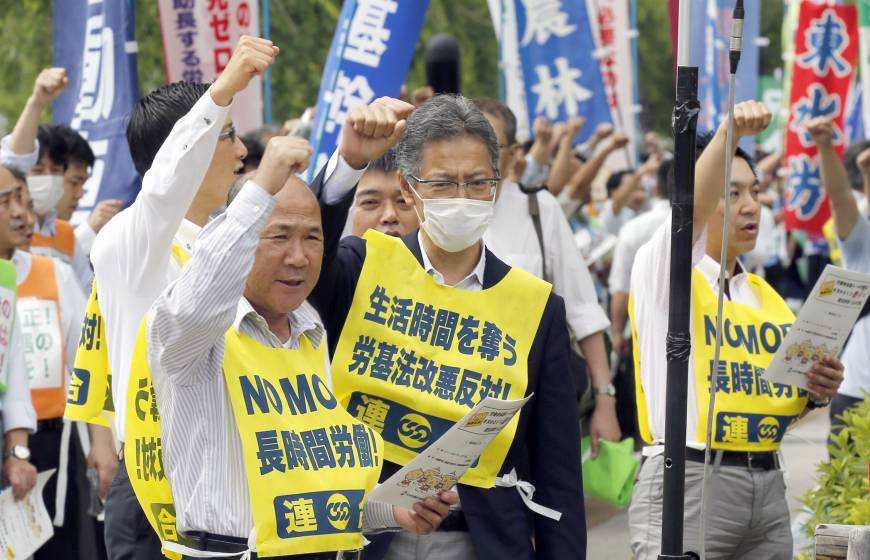
Has striking in Japan become extinct?
“Strike.” Dear reader, what do you think when you hear this word? What impression do you get? Do you see the blood, sweat and tears? Do you see an angry, vicious mob disturbing our civil society? I bet a majority of Japanese people under the age of 40 have neither a positive nor negative impression…
-
·
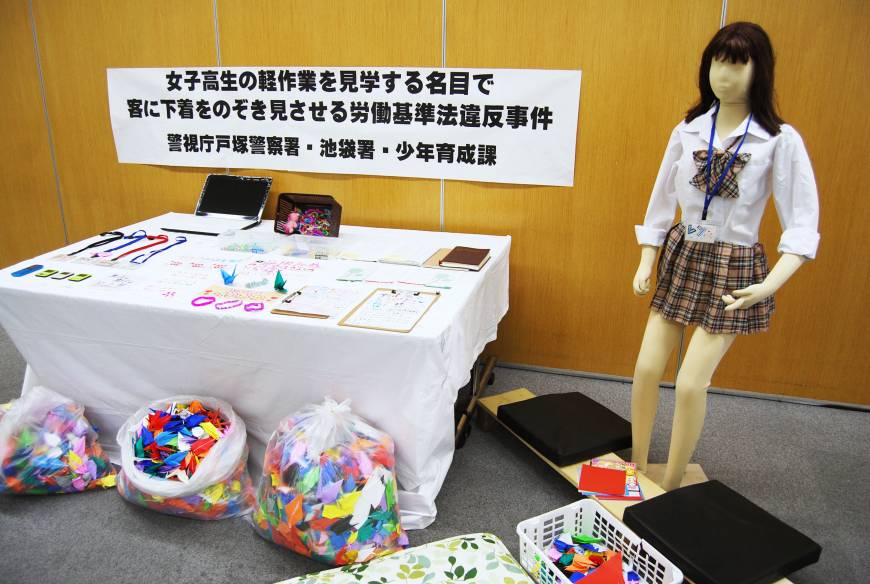
Society helps sustain Japan’s sordid sexual trade in schoolgirls
BY HIFUMI OKUNUKI When you hear the expression “JK business,” do you have any idea what kind of work this refers to? JK stands for joshi kōsei (high school girls). In Japan, JK is a very powerful brand — and high school girls are a highly valued commodity.
-
·
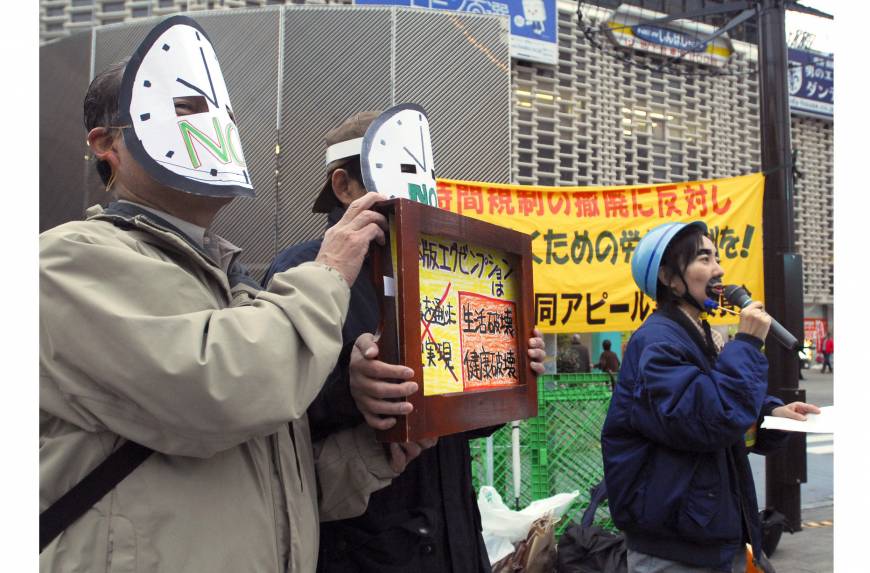
‘Zero Overtime Bill’ is the thin end of the wedge for workers’ rights
Takuboku Ishikawa died in 1910 at the tender age of 26. But before he left this world, he penned the following famous tanka: 働けど 働けどなお 我が暮らし 楽にならざり じつと手をみる Hatarakedo Hatarakedonao waga kurashi raku ni narazari jitto te wo miru Staring at my hands I toil and toil yet my life gets no easier Bewildered by…
-
·
過労死をいっそう促進する「残業代ゼロ制度」はどう考えればいい
働けど 働けどなお 我が暮らし 楽にならざり じつと手をみる 1910(明治43)年に26歳で夭逝した歌人の石川啄木による、あまりにも有名な短歌である。「どれだけたくさん働いても、一向に暮らしは楽にならないのはなぜだろう? 途方に暮れて、思わずじっと自分の手を見つめてしまう・・・」という意味である。 啄木は若き才能あふれる文学者であったが、生前はその才能が世間になかなか認められず、代用教員や校正など、生活のために様々な職に就いていた(ちなみに、彼は周囲の人に借金をしまくっており、しかもその返済をしなかったという)。ただし、啄木は肉体労働には就いていなかったので、「じつと」見つめていた手は、きっと赤剥けもささくれもなく、細く白かったのだろうと推測できる。
-
·
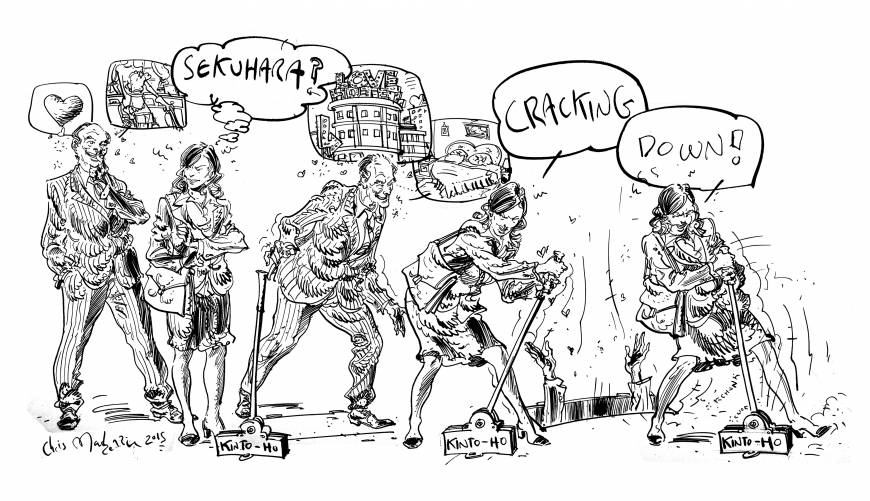
Japan sees progress on sexual harassment, but some still don’t get it
BY HIFUMI OKUNUKI Once upon a time, the English word “harassment” was unfamiliar to Japanese ears. Over the past quarter-century the word has burrowed its way deep into the collective consciousness, at times even replacing the Japanese word iyagarase. Today one would be hard-put to find a citizen unfamiliar with the English version and its many derivatives…
-
·
Under Japanese law, breaks are sacred and standby counts as work
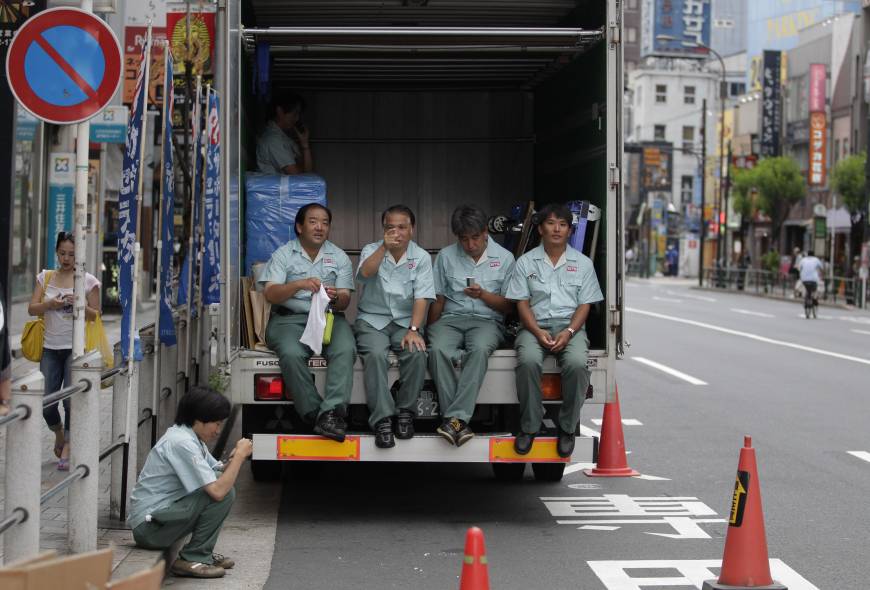
Labor law covers a great deal of territory, from wages, work hours, transfers and performance evaluation to dismissals, selling of business rights and industrial accidents. One subject often overlooked is break time or kyūkei. My labor law encyclopedia devotes far fewer pages to this subject than just about any other topic. It is, after all, labor law, not…
-
·
Forty years after Zainichi labor case victory, is Japan turning back the clock?
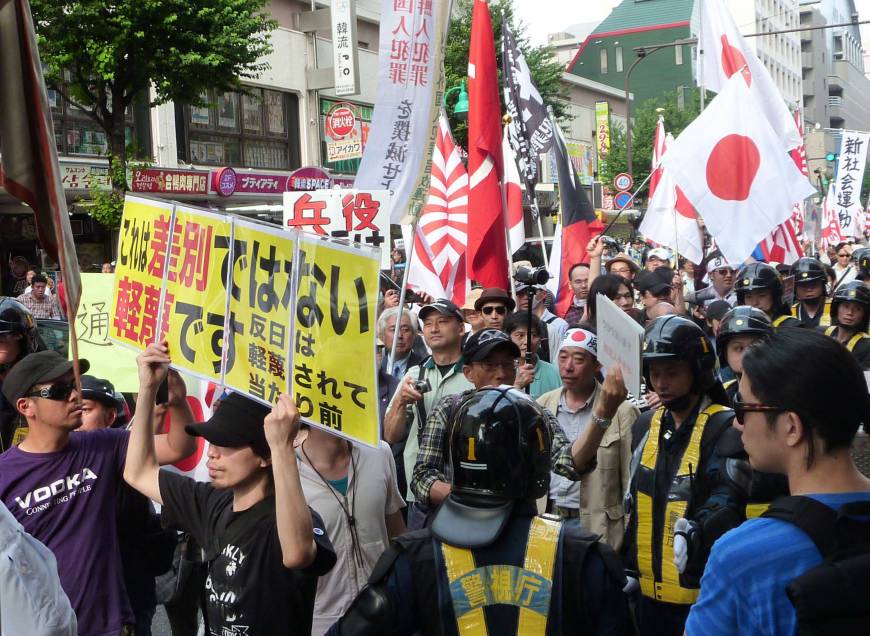
I was hoping to start off the Year of the Sheep in a subdued, “sheepish” fashion, but bad news just keeps on coming. The ruling coalition is working hard to push through a bill to abolish overtime pay for high-income workers and another to deregulate temp-agency employment (haken). These bills will hurt the conditions of…
-
·
空の労働者、JAL165名不当解雇の闘いに連帯を
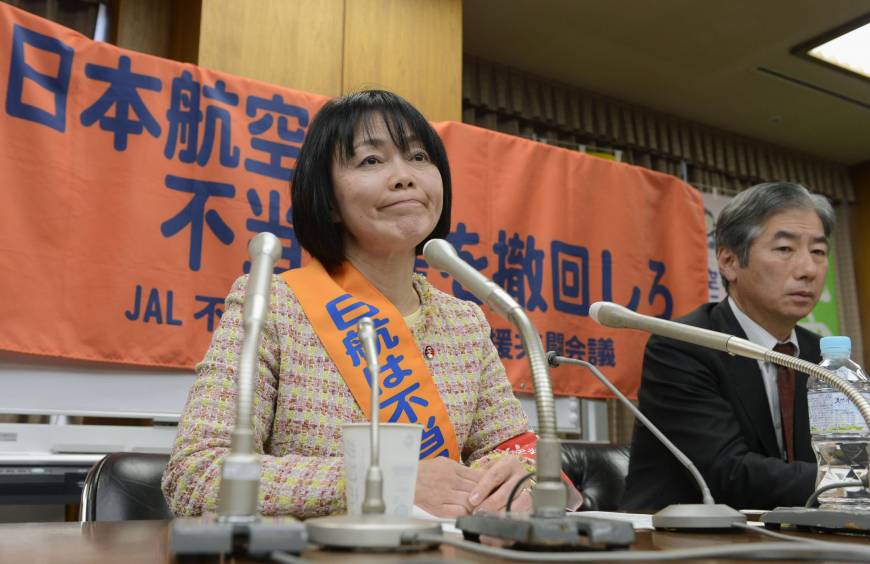
~原告団長内田妙子さんインタビュー~ 2010年大晦日。世間の多くの人びとは、慌ただしく新年を迎える準備をしながら、ワクワクと心躍らせていたことだろう。そんななか、日本屈指の航空会社、鶴のトレードマークで有名なJAL(日本航空)で働く165名の労働者らは、大晦日に会社からクビを切られた。パイロット81名と客室乗務員84名。長年、誇りと情熱をもって空の安全を守るために仕事に従事してきた彼らは、なぜ、大晦日に仕事を奪われなければならなかったのだろうか。
-
·
Standing up to the country’s flagship carrier
Credibility of justice system in spotlight as highest court to make ruling on JAL layoffs BY HIFUMI OKUNUKI Kuala Lumpur, 1977. The rain came down in torrents. The control tower instructed pilots to circle the airport pending better weather. The pilots had the option to divert to a nearby airport where things were quieter. Japan Airlines…
-
·
Would-be NTV announcer’s fate hangs on issues of morality and fraud
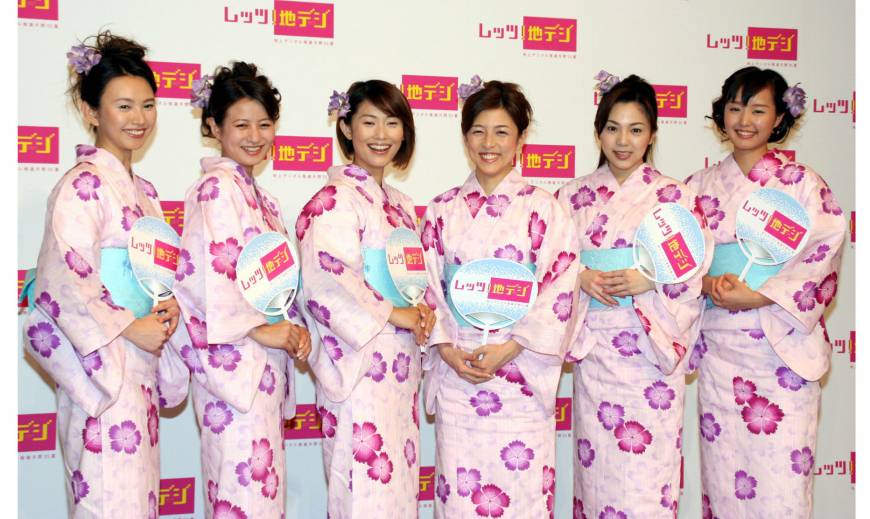
BY HIFUMI OKUNUKI NOV 26, 2014 The prevalence of the employment custom of saiyō naitei (tentative job offers) may well be peculiar to Japan. As I touched upon in my March 27, 2012, column, university juniors and seniors skip class to attend work seminars, company orientations, internships and, finally, a series of tests and interviews…