無期転換申込 – Tozen Union Permanent Conversion Form – Final (JPG, PDF)
無期転換申込 – Tozen Union Permanent Conversion Form – Final
Trouble at work? Talk to a union organizer — in English or Japanese. Ask for help
無期転換申込 – Tozen Union Permanent Conversion Form – Final

The number of foreign nationals working in Japan reached its highest-ever level in October 2017 at 1,278,670, according to a study by the labor ministry (bit.ly/mhlwhoudou). The foreign proportion of the population … Read more

This month I will explore compassionate leave — called kibiki kyūka in Japanese — the days you take off after losing a close family member. I chose this topic because I recently suffered a string of painful losses. Please bear with me as I relate to you what has happened to my loved ones over the past couple months.
Do you remember my granny bunny? I told you about her and the need for pet loss leave exactly a year ago in my February 2017 column, “Japanese need to take more leave, starting with when beloved pets pass.” Readers from around the world wrote to me in response to that article, empathizing, expressing warm wishes, like “I wish I could have taken off work after I lost my hamster” and “I feel such sadness when I remember my cat’s death.”

The Japanese government wants to raise the number of fathers taking paternity leave from 2016’s 3 percent to 13 percent by 2020, but two recent court cases show how hard it can be for some fathers to take their legally mandated paternity leave — especially if difficult pregnancies complicate the situation before the child is born.

今年4月から適用がスタートする「無期転換ルール」。契約が反復更新され、通算5年を超えた場合、労働者は希望すれば、有期雇用から期間の定めのない労働契約(無期雇用)に転換できるというものだ(労働契約法)。
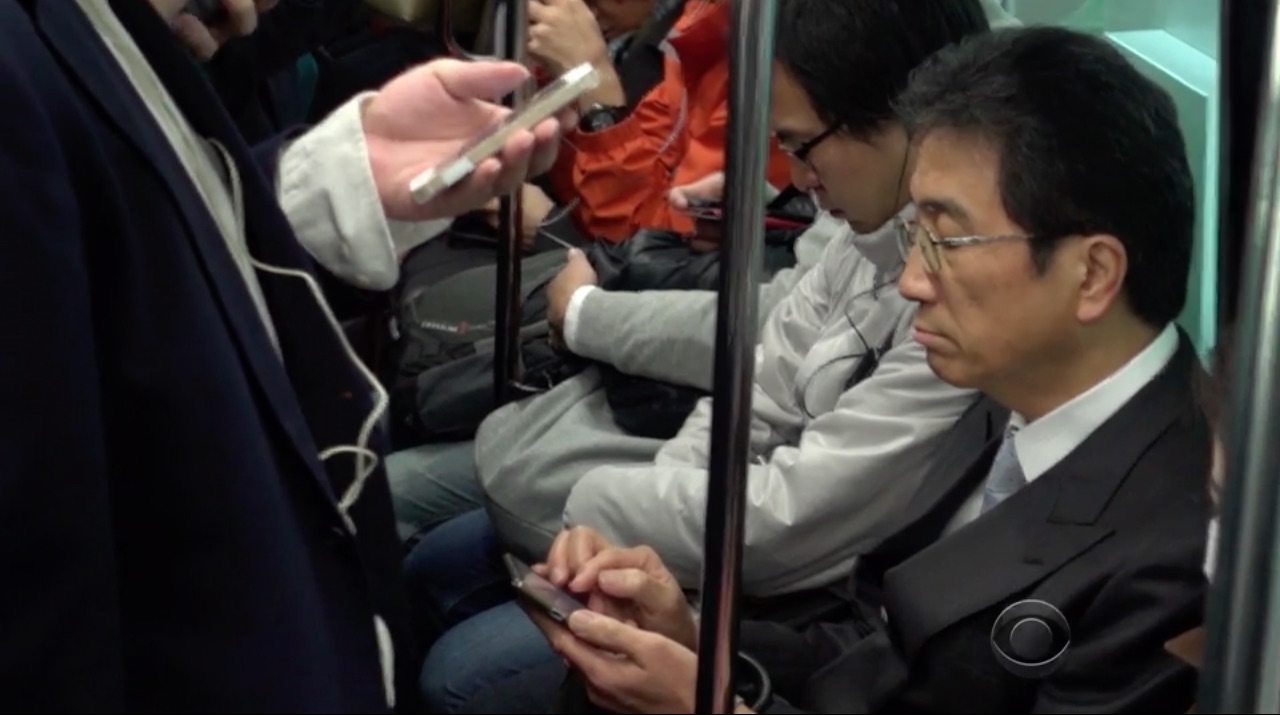
Years after losing his son, Itsuo Sekigawa is still in shock, grief-stricken and angry. Straight out of college in 2009, his son Satoshi proudly joined a prestigious manufacturer, but within a year he was dead. Investigators said working extreme hours drove him to take his own life. The young engineer fell victim to the Japanese phenomenon of “karoshi,” or death from overwork.
Please come to Rengo Tokyo’s Work Rule Seminar in English: (Very close to JR Tamachi Station) 108-0023 Tokyo-to Minato-ku Shibaura 3-2-22 Rengo Building 〒108-0023東京都港区芝浦3-2-22連合ビル
By Louis Carlet (Hifumi Okunuki is off this month): My colleague Gaetan and I recently presented a seminar on the “five-year rule” to a group of Francophones at an event hosted by … Read more
Many of our members are not Japanese and work at small or very small companies. Working at small companies has many advantages: it’s often more human and you have a direct relationship … Read more
Tozen is open to workers of every nationality in Japan. Joining a union is your legal right — and your employer can't punish you for it.