-
·
Holding on to resignation letters may be common but it’s neither right nor valid
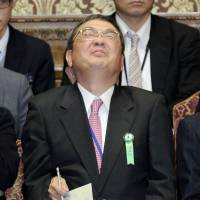
New NHK President Katsuto Momii made headlines around the world with his claim that “comfort women” have been a common feature of conflicts involving “every country.” Using sex slaves in wartime, he said, was only wrong according to “today’s morality.” Causing great concern to press-freedom advocates, he also insisted that “when the government says ‘right,’…
-
·
ANA caricature speaks volumes about Japan’s outdated mind-set
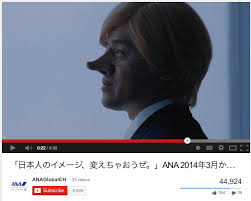
By Hifumi Okunuki Last month, a new ANA commercial hit the airwaves — and quickly ran into some serious turbulence. The scene is Haneda Airport. Two Japanese men dressed as pilots stand with their backs to the camera. “Haneda has more international flights nowadays,” says one. “Finally,” replies the other. “Next stop, Vancouver,” the first man says.…
-
·
Restore the shuttered-up New Year’s of yore
BY HIFUMI OKUNUKI First of all, I would like to wish a happy new year to all the readers of Labor Pains. While labor news has generally been a gloomy topic of late, it is my hope that this year will bring brighter things for me to write about. As I draft this first column…
-
·
The year in labor: the Top 5 pains of 2013
By Hifumi Okunuki Illustrations by Time O’Bree Japan’s old calendar called December shiwasu (師走). These two kanji mean “teacher” and “run.” The idea was that the last month of the year is so busy that even a staid, starch-shirted professor finds him or herself scurrying around like a rabbit, trying to get everything done on time. As…
-
·
Real ‘labor cops’ also deserve to get the star treatment
By Hifumi Okunuki Television meant little to me until this autumn. Now, every Wednesday at 10 p.m., I sit squarely in front of the tube, glued to the set for the next hour of the new comedy “Dandarin.” In the show, Yuko Takeuchi plays a stubborn, by-the-book labor standards inspector named Rin Danda who loathes…
-
·
The Special Dismissal Zone: where legal protections no longer apply
I couldn’t believe my ears when I heard about the government’s recent proposal to set up a Special Dismissal Zone on Japanese territory. “A what?” I hear you cry. The Shinzo Abe government wants to make Japan “the most business-friendly climate in the world.” In May, he set up a National Strategy Special Zone Working Group,…
-
·
Union, business concerns put limits on freedom of speech by Hifumi Okunuki
Hot on the heels of their romp to victory in the race for control of the House of Councilors, the Liberal Democratic Party is chomping at the bit to overhaul the Constitution, which has not been amended since it was signed into law in 1946. The ruling party proposes gutting Article 9, which forever bans…
-
·
Precedent backs (nearly) equal pay for equal work
In 2012, Japan had 51.73 million workers, of which 33.3 million were regular employees, or seishain, according to the latest survey by the Ministry of Internal Affairs and Communications. Contingent, or nonpermanent, workers (including part-timers, haken dispatch and shokutaku semiregular employees) numbered 18.43 million, over 35.5 percent of the workforce. When I first began studying labor law in graduate school…
-
·
Employers’ ‘box them in, drive them out’ tactics fail legal test
Surely few employees would jump out of bed every morning, itching to start work at the “Department for Driving Them Out”? But what is an oidashi-beya? And what scary entities are to be driven out? The answer is neither ghosts nor zombies. It is you. Some companies have been known to set up departments dubbed by…
-
·
Labor law reform raises rather than relieves workers’ worries
Story originally published in Japan Times A new specter hangs over Japan: the specter of insecure employment. The source of this insecurity is the August 2012 reform of the Labor Contract Act related to fixed-term employment. Due to take effect April 1, the thrust of the reform is as follows: 1. Workers employed on fixed-term…