-
·
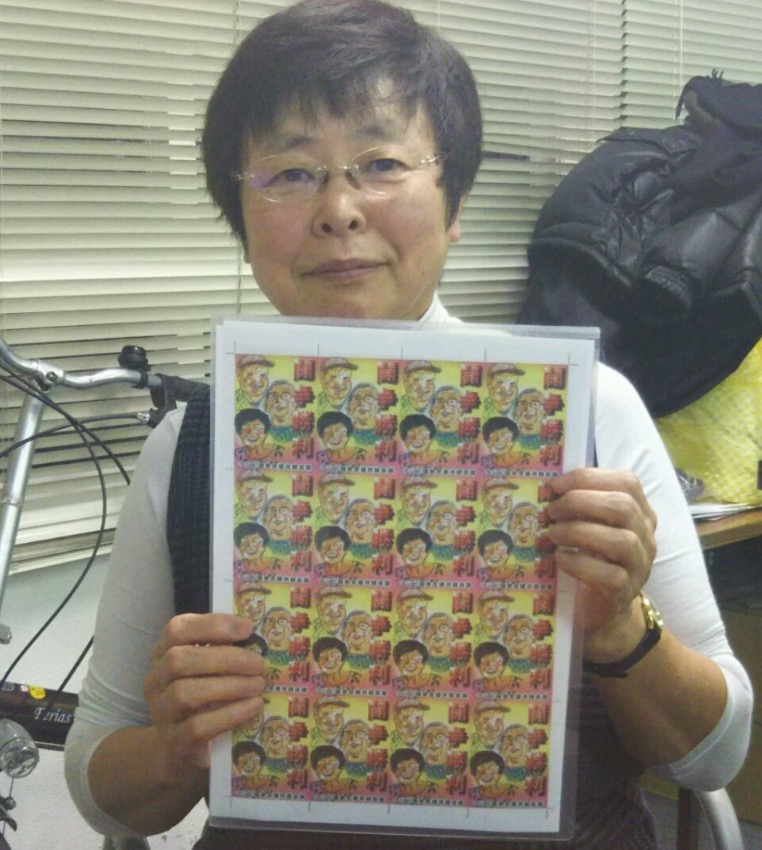
Tokyo court rulings chip away at labor unions’ right to free speech
The Tokyo District Court handed down its verdict in the Fujibi case last February, with the Tokyo High Court upholding it in July. On both occasions, I couldn’t believe my ears. The courts ruled that labor union Zenrokyo Zenkoku Ippan Tokyo Rodo Kumiai (Tokyo Roso) had committed defamation and damaged the creditworthiness of Fujibi, a…
-
·
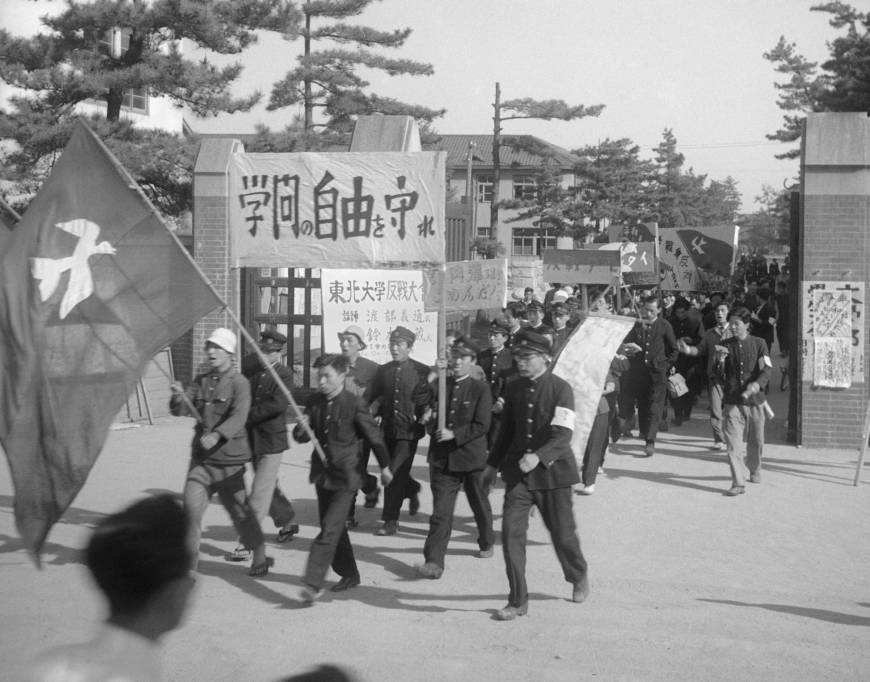
‘Five-year rule’ triggers ‘Tohoku college massacre’ of jobs
I have discussed the “five-year rule” several times before in this column — the revision of the Labor Contract Law (Rodo Keiyaku Ho) enacted in 2013. Under the amendment, any worker employed on serial fixed-term contracts (yūki koyō) for more than five years can give themselves permanent status. See my earlier stories for more details,…
-
·
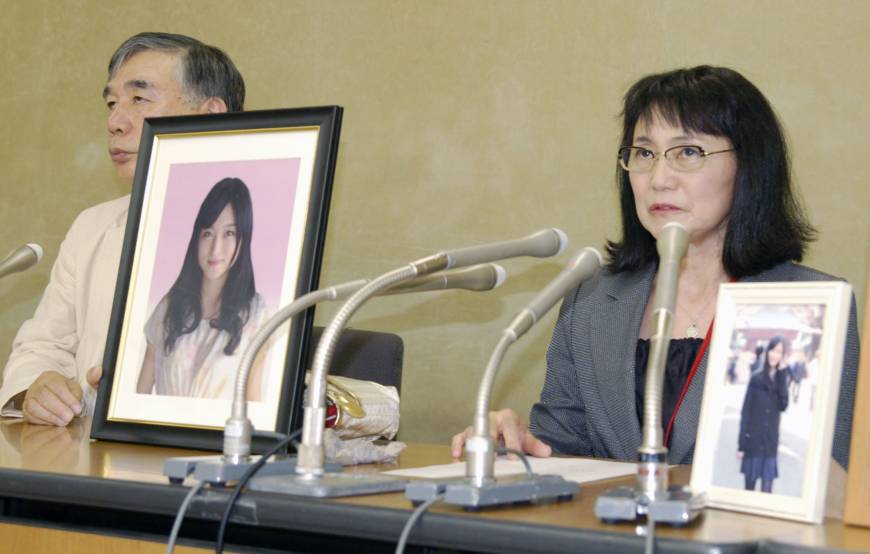
Time to consign ‘death by overwork’ to Japan’s history
A 24-year-old pressured to work long, hard hours beyond what she could tolerate at the largest advertising agency in Japan jumped from her third-floor dorm room on Christmas Day of last year. This story went viral, and labor researchers around the country mumbled to themselves, “Dentsu again?” Dentsu is an ad giant notorious for brutal…
-
·
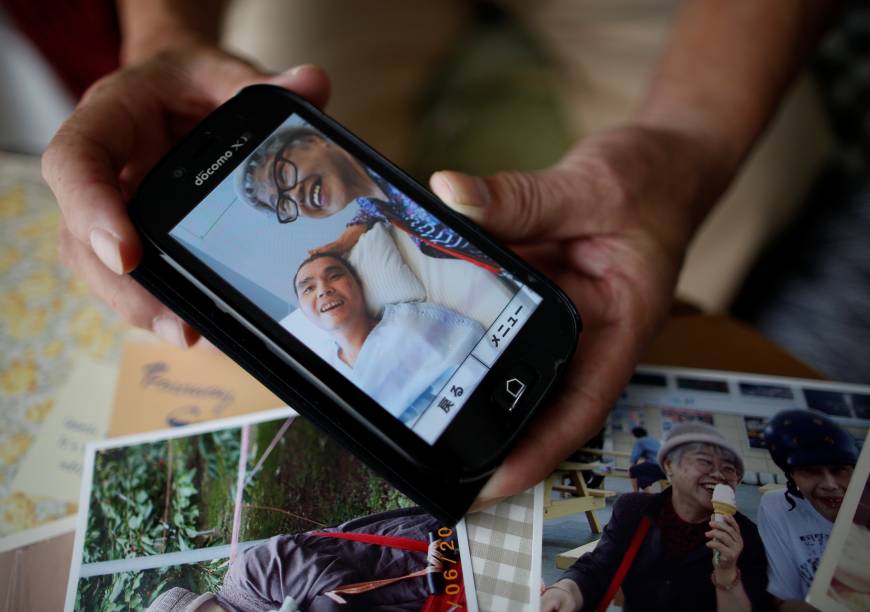
Sagamihara massacre begs question: Do we want a society that only values usefulness?
Let me apologize up front for tackling an issue that is not purely about labor per se. The brutal mass murder in July in Sagamihara, Kanagawa Prefecture, made me feel that our society must address a simple yet difficult question: What does work mean to human beings? I feel that I must candidly convey to you,…
-
·
The flip side of coveted public-sector jobs in Japan: fewer rights
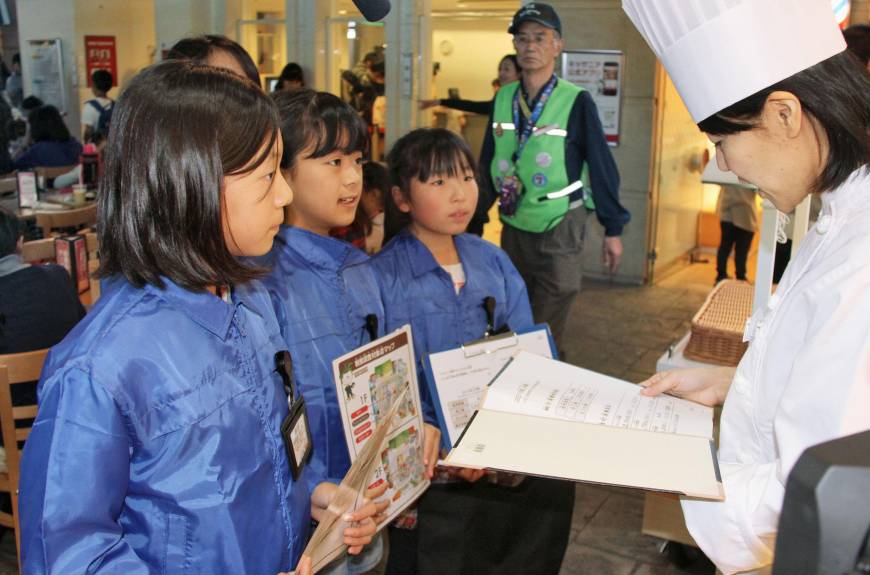
I research labor law and teach it to university students. In the first class, I break up the two groups of labor laws — those related to individual and collective labor relations — for my students. Individual labor relations law begins and ends with the 1947 Labor Standards Act (rōdō kijun hō); its collective counterpart…
-
·
Do Japan’s porn actresses and actors have labor rights?
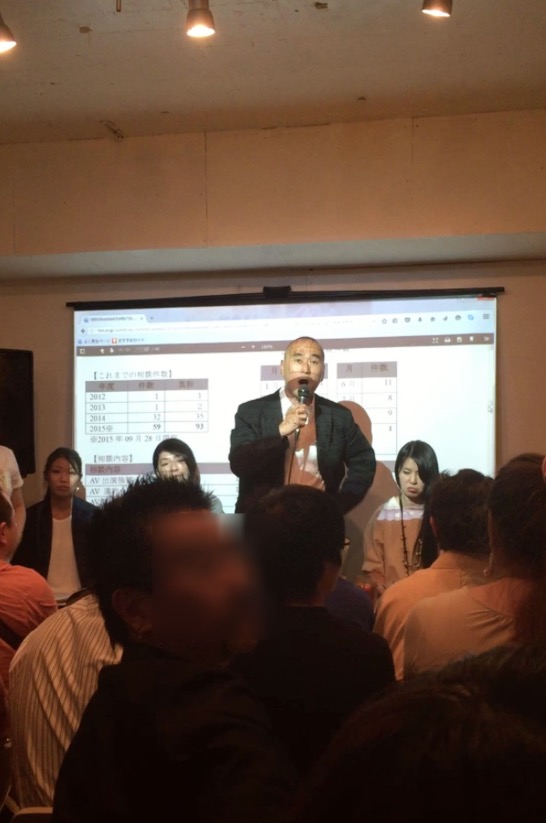
On May 4, a tiny cafe in Tokyo’s Koenji neighborhood was transformed into an informal meeting hall. Porn-film kingpins (and a “queenpin”) had called an “emergency meeting” to respond to a recently released report by Human Rights Now (HRN). On March 3, the international NGO, which is based in Tokyo and has U.N. special consultative…
-
·
Lessons in Japan’s labor laws from striking NPB baseball stars and English teachers
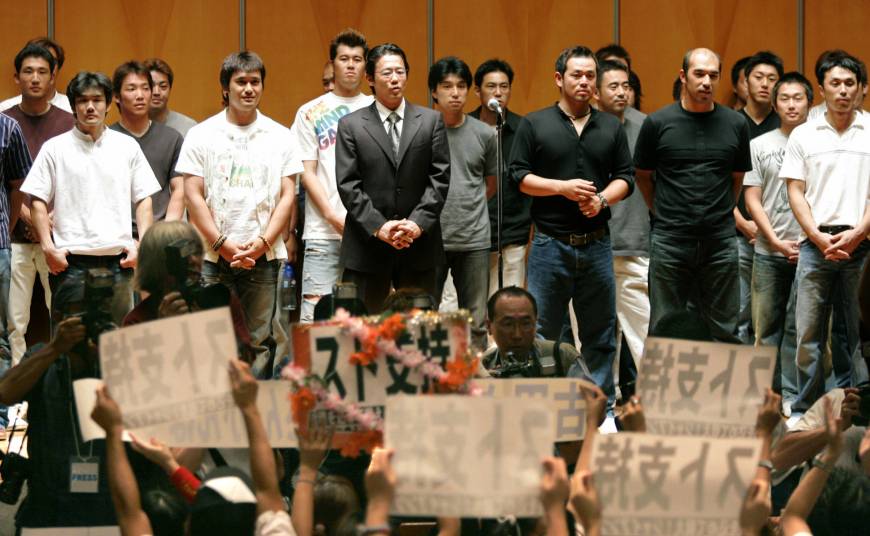
Eleven years ago, baseball players walked off the field in protest for the first time in the seven-decade professional history of the game in Japan. Owners wanted to consolidate two of the dozen pro teams, without offering a replacement. Players opposed the merger and were outraged that they had been kept out of the decision-making…
-
·
The year in labor: the Top 5 pains of 2013
By Hifumi Okunuki Illustrations by Time O’Bree Japan’s old calendar called December shiwasu (師走). These two kanji mean “teacher” and “run.” The idea was that the last month of the year is so busy that even a staid, starch-shirted professor finds him or herself scurrying around like a rabbit, trying to get everything done on time. As…
-
·
Labor law reform raises rather than relieves workers’ worries
Story originally published in Japan Times A new specter hangs over Japan: the specter of insecure employment. The source of this insecurity is the August 2012 reform of the Labor Contract Act related to fixed-term employment. Due to take effect April 1, the thrust of the reform is as follows: 1. Workers employed on fixed-term…
-
·
Labor law protects expectant and new mothers — to a point
http://www.japantimes.co.jp/text/fl20121016lp.html Tuesday, Oct. 16, 2012 By HIFUMI OKUNUKI I had a labor consultation with a woman who said: “The other day I told my company I was pregnant. My boss asked me to quit because the firm can’t afford to give me time off. One of my coworkers once resigned before giving birth but…